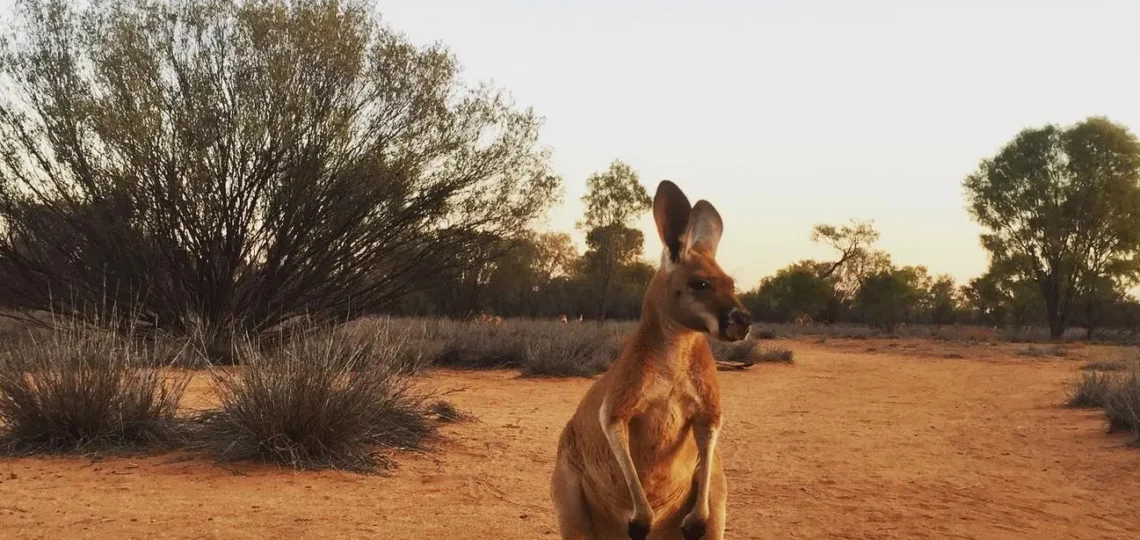
Is There a Kangaroo at Uluru?
Uluru, the magnificent monolith in the heart of Australia’s desert, is one of the world’s most famous natural wonders. It’s a place that attracts thousands of visitors every year, not just for its cultural significance but for its natural beauty. One of the highlights for many visitors is seeing the amazing Australian wildlife that lives in the area, especially wild kangaroos. The idea of seeing a kangaroo in such an ancient, sacred place is just magic. But are there kangaroos at Uluru? Let’s look at the natural habitat of kangaroos in Uluru-Kata Tjuta National Park and the best ways to spot them during your visit.
Contents
A Natural Connection
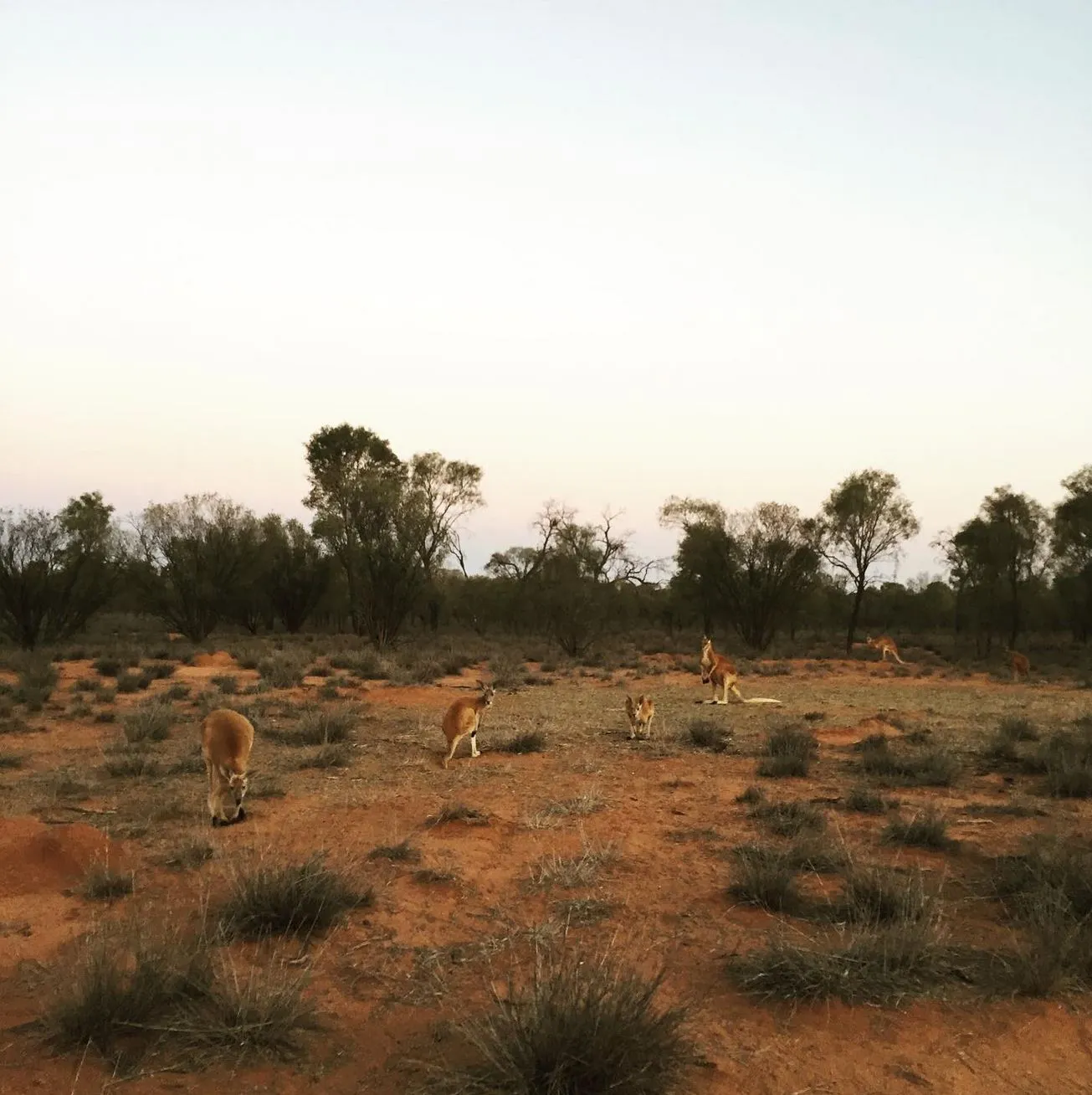
Yes, kangaroos are found in and around Uluru, and their presence is part of the diverse Australian wildlife that calls the desert home. There are several species of kangaroos and wallabies that live in the area, most notably the Red Kangaroo and the Agile Wallaby. These animals, part of the larger kangaroo family, are perfectly adapted to the harsh desert environment. The natural habitat around Uluru, rich in flora and fauna, is the perfect place for kangaroos to thrive, especially during the cooler months when the temperature drops and the desert becomes more bearable.
The wild kangaroos add to the magic of the region, giving visitors the chance to see these iconic animals in their natural habitat. As with many other Australian national parks, the animals in Uluru-Kata Tjuta National Park live in harmony with the land and their behaviour and movement patterns are connected to the rhythms of the desert. Book Uluru tours to explore the area with expert guides who can help you spot kangaroos and share the cultural and environmental history of the region.
Best Viewing Spots
Kangaroos are most often seen in the early morning or late afternoon. These are the cooler times of the day in the Australian desert and kangaroos are more active during these hours, avoiding the midday heat. Here are the best places to see kangaroos at Uluru:
| Location | Best Time to Spot Kangaroos | What You Might See |
|---|---|---|
| Around the Base of Uluru | Early morning, late afternoon | Adult kangaroos grazing, wild kangaroo family groups |
| Kata Tjuta (The Olgas) | Early morning, late afternoon | Kangaroos moving through the plains, beautiful kangaroo sightings |
| Mutitjulu Waterhole | Early morning, late afternoon | Kangaroos drinking, resting, and ancient rock art on cave walls |
| Outskirts of Uluru-Kata Tjuta National Park | Early morning, late afternoon | Kangaroos grazing in quieter parts of the park, wildlife exploration |
Here’s where to see kangaroos at Uluru so you can plan your visit. If you’re looking for a guided experience, Uluru tours often visit these kangaroo hotspots.
A Close Encounter
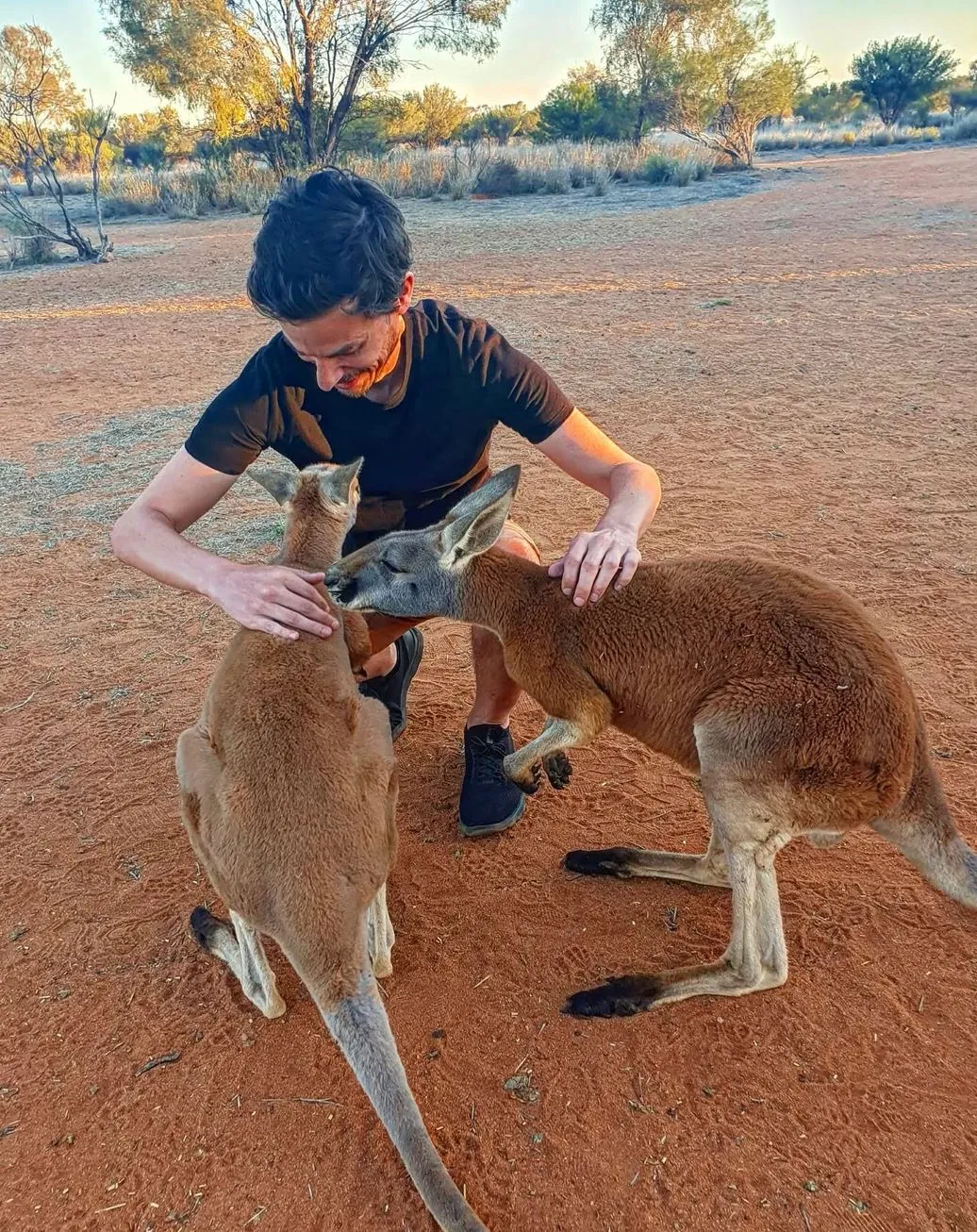
The grassy plains and rocky outcrops around Uluru are a beautiful and peaceful place to see adult kangaroos grazing. These areas have plenty of food and shelter, making them a perfect habitat for kangaroos. The contrast of the big red rock and wild kangaroos hopping across the desert plains is a unique sight, and the natural beauty of the area is also a factor. To increase your chances of seeing kangaroos in this stunning setting, take 3 Day Uluru Tours that go around the base of the rock to get up close to the wildlife.
Kata Tjuta (The Olgas)
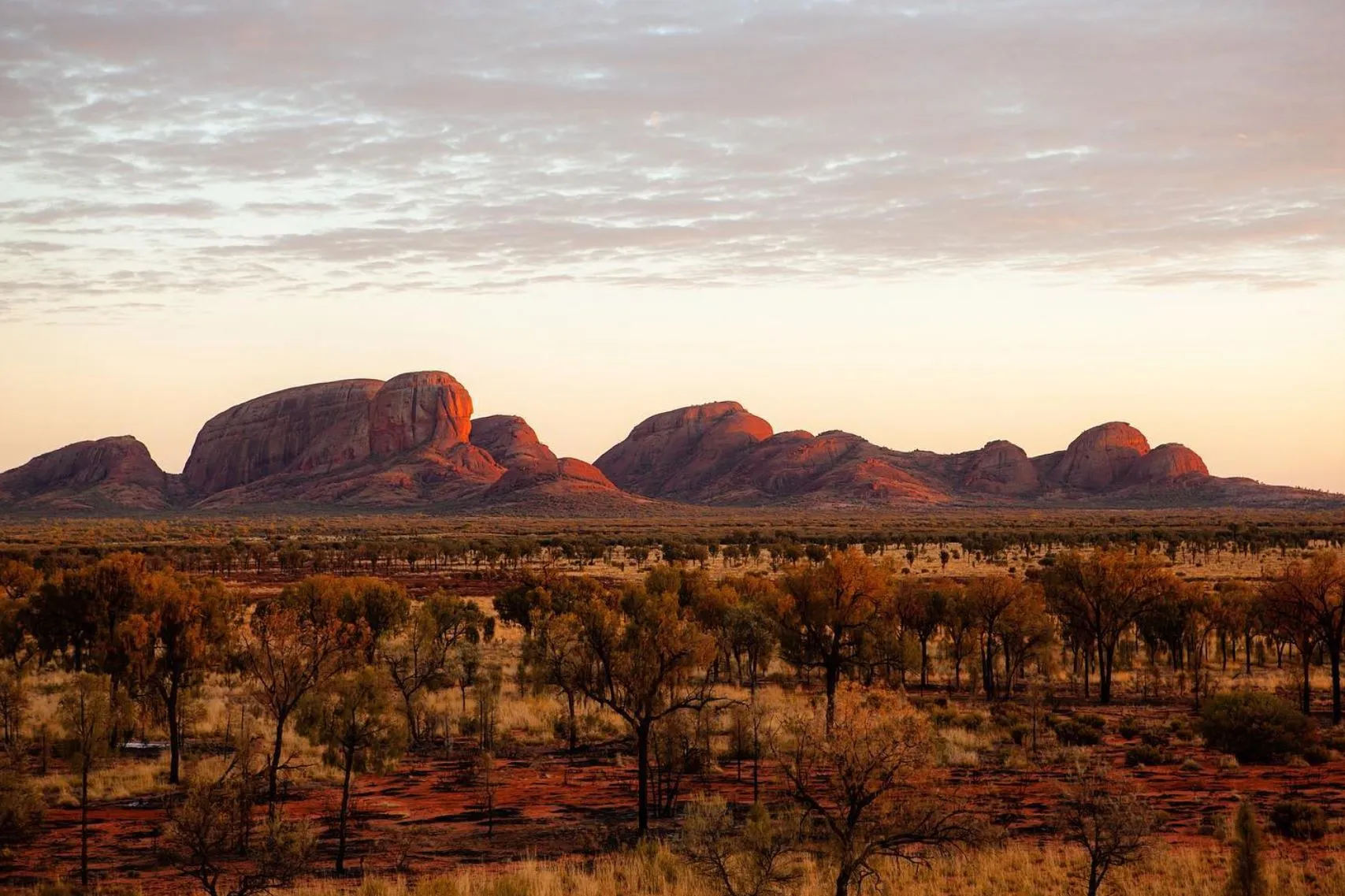
Just a short drive from Uluru, Kata Tjuta is another great spot to see kangaroos. The Valley of the Winds is a stunning natural setting where you can often see kangaroos moving through the plains. The desert is also rich in culture, so this area is not just for wildlife but for those interested in learning about the ancient story of the traditional owners of the land. When booking Uluru 3 Day tours make sure the itinerary includes Kata Tjuta for a full experience of the region’s culture and natural beauty.
Mutitjulu Waterhole
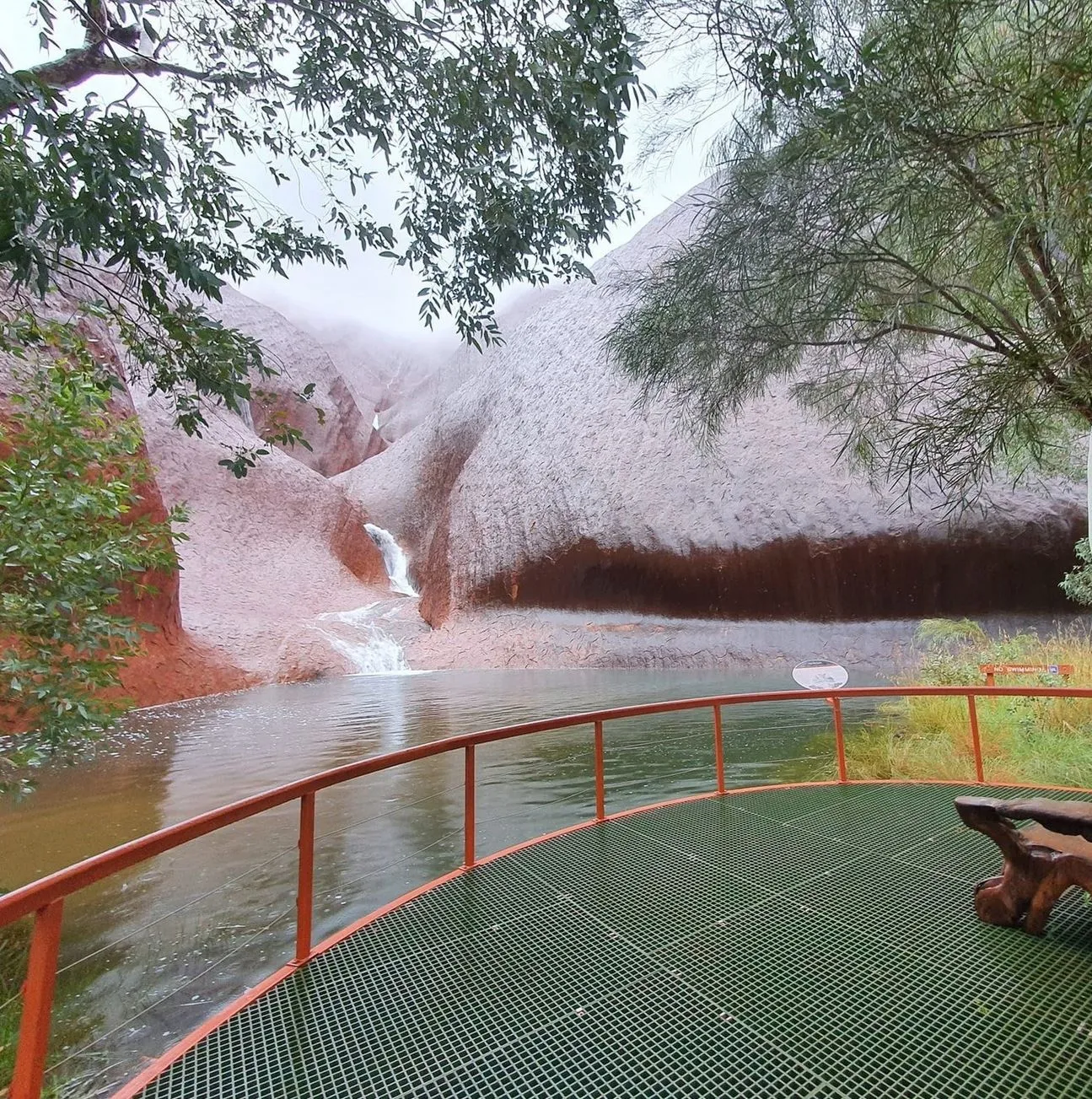
This spot near the base of Uluru is a favourite for kangaroos especially in the dry season when water is scarce. The waterhole is a place for kangaroos and other desert animals to drink and cool off, and for visitors to see these amazing creatures. The nearby cave walls have ancient rock art that tells the story of the traditional owners’ connection to the land and its animals. This cultural experience adds another layer to your visit. If you want a more guided experience, Uluru tours often stop at the Mutitjulu Waterhole so you can see the wildlife and the cultural significance of the area.
Best Spots to See Them
The whole park is a wildlife heaven. The area around Uluru is huge and has many different habitats for native animals. Kangaroos are most often seen near the rock formations but can also be seen on the edges of the park in the early morning or late afternoon. Uluru tours allow you to cover more ground and see kangaroos in less-visited parts of the park.
When Are Kangaroos Most Active?
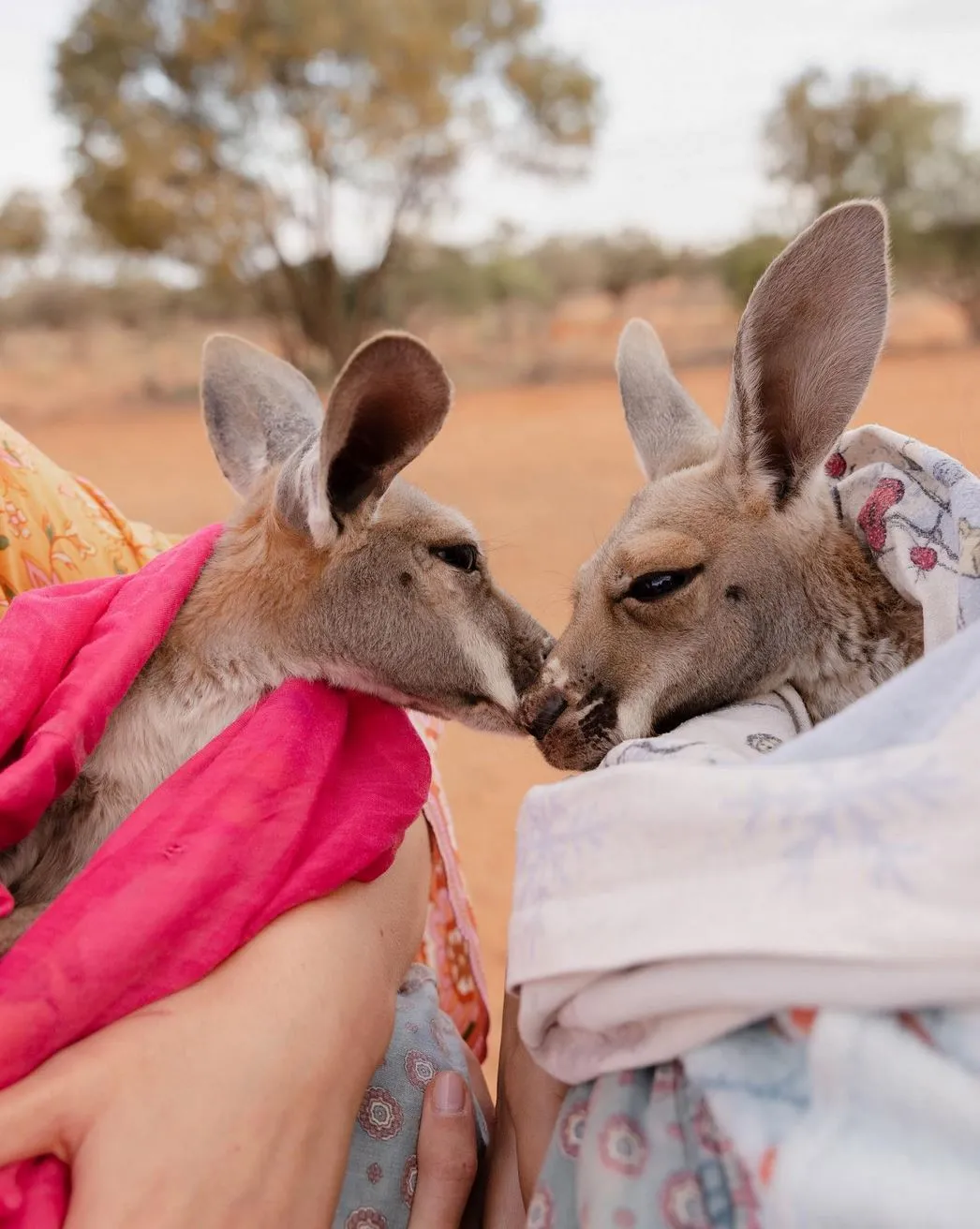
The best time to see kangaroos at Uluru is in the early morning or late afternoon. As we mentioned, these are the cooler hours in the Australian desert when the temperatures are more comfortable for visitors and wildlife. In the late afternoon, the desert landscape turns golden and the kangaroos are more active so it’s the perfect time for kangaroo spotting.
Another reason why early morning and late afternoon are the best times to visit Uluru is that the wildlife is more active at these times. Kangaroos are often seen in groups during these hours, hopping across the desert or resting in the shade. If you’re an Aussie wildlife enthusiast, this is the time to see kangaroos in their natural habitat. Many Uluru tours are timed to coincide with these best times for wildlife viewing so you can have the best of both worlds – wildlife and cultural significance.
What to Expect
If you’re visiting Uluru to see kangaroos, here are a few things to keep in mind. Always respect the wildlife and keep a safe distance. The kangaroos at Uluru are wild animals and you should observe them from afar without disturbing their natural behaviour. Also, book Alice Springs Uluru tour that focus on both the cultural significance of the area and the wildlife. Cultural tours around Uluru will give you a deeper understanding of the land’s spiritual importance to the traditional owners and opportunities to see the region’s incredible biodiversity.
Uluru and the surrounding areas offer a range of activities including cultural tours, hikes and wildlife spotting. For a full experience, you might want to book a day trip that combines natural and cultural exploration. This way you can get up close and personal with the desert and learn about the history of the land, the significance of Uluru and the amazing wildlife that lives here.
What Else Can You See at Uluru?
Kangaroos are definitely one of the main attractions for wildlife lovers but the area around Uluru is also home to many other amazing animals. You might see:
- Reptiles: The desert is home to several species of reptiles including monitor lizards like the Perentie, one of the biggest lizards in Australia.
- Birds: Uluru is a birdwatcher’s heaven. Look out for species like the Spinifex Pigeon or the Peregrine Falcon which can often be seen flying above the rock formations.
- Mammals: Dingos and the common brushtail possum are also found in the area.
In addition to its wildlife Uluru is also famous for its landscape. The monolith itself is incredible and the desert is a great backdrop for hiking and photography. The nearby towns like Yulara are the closest settlements with accommodation options including luxury resorts and camping sites. If you want a quieter escape consider visiting a coastal town after your desert adventure.
Conclusion
Kangaroos can be found at Uluru so it’s all part of the magic. Whether you’re a wildlife enthusiast looking to see a beautiful kangaroo or just someone who wants to experience the natural beauty and cultural significance of the area Uluru is an unforgettable experience. From the kangaroos hopping across the desert plains to the ancient rock formations that have been standing for thousands of years every corner of this sacred place is special. So book tours, visit the national parks and experience the magic of this amazing time in the Australian desert.
FAQ
Are kangaroos native to Uluru?
Yes, kangaroos are native to the desert and are found in their natural habitat around Uluru.
When can I see kangaroos at Uluru?
The best time to see kangaroos is early morning or late afternoon, when it’s cooler in the desert.
What type of kangaroos can I see at Uluru?
Red Kangaroo and Agile Wallaby are the most common kangaroo species at Uluru, both part of the kangaroo family.
Can I feed the kangaroos at Uluru?
Feeding kangaroos or any wildlife in the park is strictly prohibited to protect the animals and their diet.
Are there other animals to see at Uluru besides kangaroos?
Yes, Uluru is home to other Australian wildlife, reptiles, birds, dingos, and other mammals. Don’t forget to check out the rock art in the caves.